Many people are surprised to learn that hearing loss can run in families. Your genes may play a part in how likely you are to experience changes in your hearing as you get older. Understanding the connection between genetics and hearing loss can help you better understand your own risk, especially if you have noticed similar patterns among relatives.

Learning about these factors can also help guide your choices about early testing or healthy habits that support better hearing. To understand your risk, it helps to look at how genes influence your ears and what this means for you and your loved ones.

What to Know About Genetics and Hearing Loss

Genes act as instructions for your body, including how your ears develop and function. Some types of hearing loss are inherited, which means they can be passed from parents to children. If hearing loss is common in your family, it is important to pay attention to your hearing health.

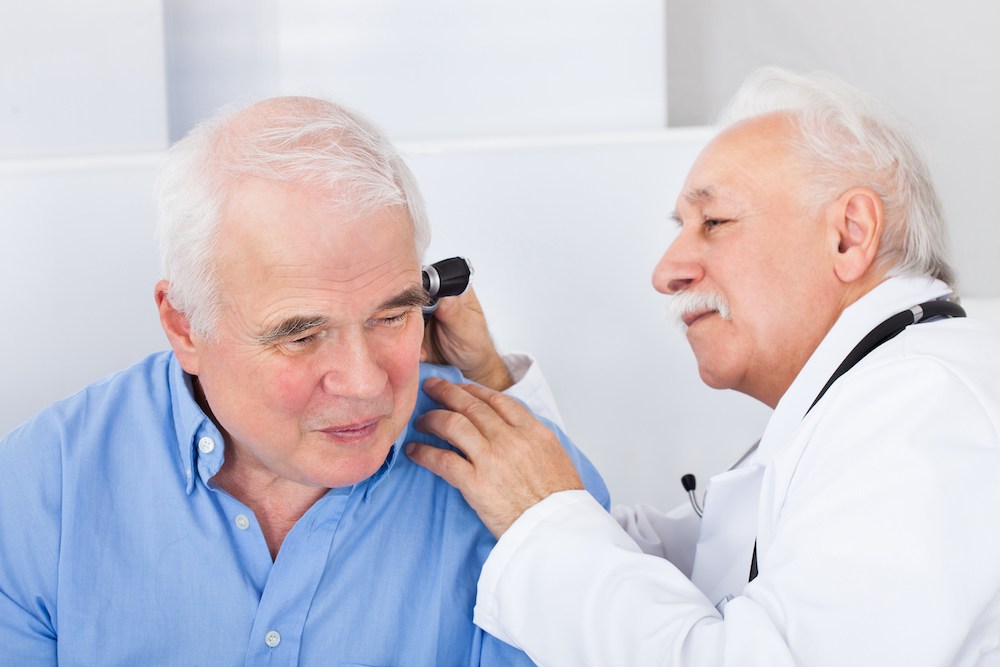
Regular hearing checks and open conversations with an audiologist can help you catch changes early. Protecting your ears from loud noises is also a good step for anyone with concerns about genetics and hearing health.

How Genes Influence the Way Your Ears Work

Your genes help determine how the small structures inside your ears are built and maintained.

There are different types of genetic hearing loss. Some are present at birth, known as congenital hearing loss, which can happen if certain genes do not work as they should during development. Other forms may appear later in childhood or adulthood, depending on which genes are involved and how they change over time.

Genetic hearing loss can be caused by changes in a single gene or by several genes working together. When only one gene is involved, it is sometimes easier to predict the chance of passing it on to children. When multiple genes play a role, the risk can be more difficult to determine. Both types can influence how and when hearing loss appears in a family.

Genetic Factors That Can Increase the Chance of Hearing Loss

Some people are more likely to develop hearing loss because of genetic factors that influence how the ear grows and functions. Certain inherited traits can affect the structure of the inner ear, how well sound signals travel to the brain or how the hearing system responds to everyday wear over time. These genetic influences may not cause immediate problems, but they can make someone more sensitive to age-related changes or environmental noise.

Understanding your family history can offer helpful insight and may encourage earlier hearing checkups, which can make it easier to stay ahead of any changes and protect your long-term hearing health.

Comparing Inherited and Non-Inherited Causes of Hearing Loss

Inherited hearing loss is passed down through your genes and often appears early in life, sometimes even at birth. If several people in your family have hearing loss, your risk may be higher.

Non-inherited causes are not related to your genes. These include loud noise exposure, certain illnesses, ear infections or aging. Even if no one else in your family has hearing problems, you can still develop hearing loss from these outside factors.

Both inherited and non-inherited causes affect how well you hear but start for different reasons. Knowing which type you have can help guide the best care for your ears. An audiologist can help you understand what may be affecting your hearing and what steps to take next.

Genetic Testing Choices for Learning About Hearing Risks

Genetic testing can help you learn about your risk for hearing loss, especially if it runs in your family. If you are considering this option, it may provide helpful information about your own hearing health.

These tests look for specific changes in genes linked to certain types of hearing loss. The results may help you and your audiologist decide on the best ways to protect or monitor your hearing.

Some people choose genetic testing before having children, while others do so after noticing changes in their own or a family member’s hearing. If you have questions about whether genetic testing is right for you, an audiologist can explain the process and what the results might mean.

Healthy Habits That May Help If You Have a Higher Genetic Risk

If you know that your genes may increase your risk for hearing loss, healthy habits can make a difference. Simple changes in daily routines can support your hearing and may reduce the chance of problems over time.

Helpful habits include:

  • Wearing ear protection when around loud noises.
  • Keeping the volume down when using headphones or earbuds.
  • Eating a balanced diet with plenty of fruits and vegetables.
  • Staying active with regular exercise.
  • Avoiding smoking and limiting alcohol use.

Signs It is Time to Speak with an Audiologist

If you notice that family members often ask you to repeat yourself, or if conversations at home seem harder to follow, these may be signs of changes in your hearing. Struggling to hear during group gatherings or missing important sounds like doorbells or alarms are also reasons to pay attention.

When several people in your family have hearing loss or there is a pattern of early changes, it is a good idea to speak with an audiologist. Early help makes it easier to manage concerns and support better communication at home. Taking this step benefits both your own hearing and your family’s well-being.

Understanding Your Genetic Risk Helps You Make Informed Choices About Hearing Health

Learning how genetics can affect your hearing helps you take charge of your long-term hearing health. Family history and genes may increase the chance of hearing loss, but knowing this risk allows you to act early.

Regular checkups, healthy habits and open conversations with an audiologist can help you stay ahead of changes and find solutions that work for you.

If you have questions about genetic risks or want to learn more about testing options, schedule an appointment with an audiologist. Whether you are considering regular checks or looking for ways to protect your ears every day, taking small steps now supports better hearing for you and those around you.