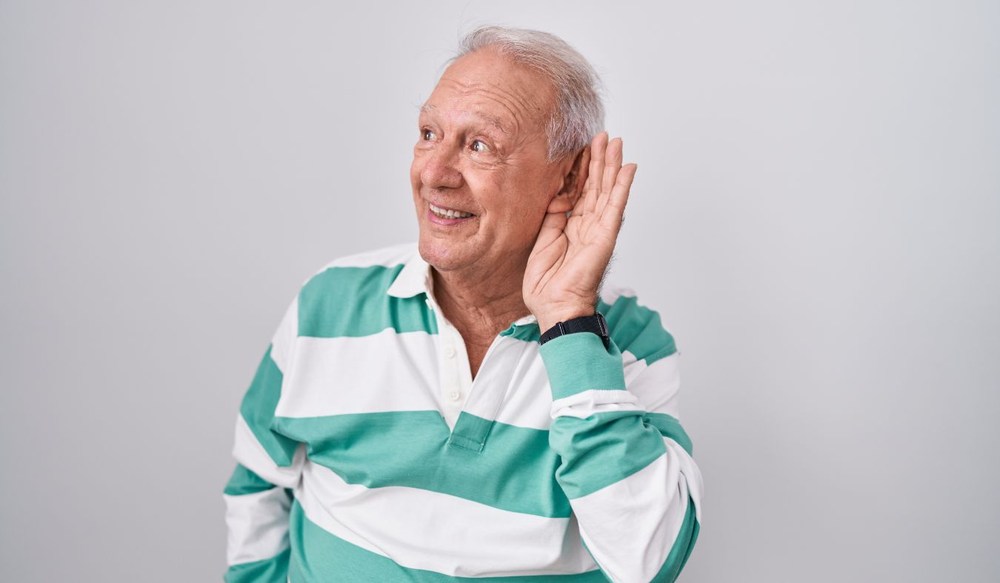
Many people notice that pets are quick to sense changes in their owners’ health and behavior. When you experience hearing loss, your pet may react in ways that are easy to miss at first. Research shows that dogs and cats often pick up on shifts in routine or communication, sometimes responding with new behaviors of their own.

Understanding how pets react to hearing loss helps you maintain a strong bond and makes daily routines smoother for both of you. Paying attention to subtle signals from your pet can be important for safety and companionship at home. It is helpful to consider how animals adjust their communication, what signs they show when something feels different and how routines might need small adjustments.

How Pets Notice Changes in Your Hearing Health

Pets often pick up on small changes in your health before you do. They may respond by becoming more alert, changing their usual behavior or trying new ways to get your attention. Dogs and cats use their senses to notice things like body language, tone of voice and how you move.

If your hearing changes, your pet might notice that you do not react to sounds the same way as before. Some animals may try new ways to communicate, like using more eye contact or physical touch instead of making noise. These signs can be helpful for you and show just how closely pets pay attention to their environment.

Common Behaviors Pets Show When You Have Hearing Loss

When your hearing changes, your pet’s behavior may shift as well. Some pets become more attached and follow you from room to room, while others use their paws or noses to get your attention if you do not respond to sounds.

Watching for these actions helps you understand what your pet needs and how they are feeling. Noticing these signs can also remind you that small changes in your routine can make life easier for both of you.

How Hearing Loss Can Affect Playtime With Your Pet

Hearing loss can change the way you and your pet enjoy playtime. Pets often rely on sound cues like squeaky toys or verbal praise during games. If you do not hear these sounds as well, your pet might become confused or less interested in certain activities.

Switching to toys that use lights or movement instead of sound helps keep playtime fun for both of you. Using hand signals or clear gestures during games can also help your pet understand what you want. Keeping playtime positive and engaging encourages your pet to stay active and connected with you, even if some activities need small changes.

Changes in Communication Between You and Your Pet

Communication with your pet may shift if you are not hearing as well as before. Pets might start using more body language, like nudging you or making direct eye contact, instead of relying on sounds.

You may notice your pet waiting for visual cues from you, like hand signals or gestures. Some pets could become anxious if their usual ways of getting your attention do not work. Try using clear hand signals or simple routines to help your pet understand what you want.

Keeping a consistent schedule and rewarding your pet for responding to new cues can make things easier for both of you. If communication feels difficult, an audiologist can offer advice on ways to improve daily interactions with your pet.

Why Routine Matters for Pets During Times of Change

Daily routines help pets feel safe and comfortable, especially when things at home are changing. When your schedule or the way you communicate shifts because of hearing loss, your pet may feel unsettled.

Keeping regular feeding times, walks and play sessions helps your pet adjust more easily. If your pet acts anxious or unsettled, a steady routine gives them something familiar to rely on.

Ways Pets May Try to Help or Get Your Attention

Pets often find new ways to get your attention if they notice you are not hearing as well as before.

These actions can mean your pet is trying to help or let you know something important is happening. You might find that your pet becomes more watchful, following you around the house or checking on you more often. This behavior can be helpful for safety, like alerting you to visitors or noises and it shows how much pets pay attention to changes in their environment and in your responses.

Signs of Stress or Confusion in Pets Due to New Communication Patterns

Recognizing signs of stress or confusion in your pet is an important step toward helping them feel secure. Pets can show these feelings in many ways, and understanding their signals can make life smoother for both of you.

Some pets may pace, whine, hide or seem less interested in play when they are unsure about new communication patterns. Others might become more vocal or act out by chewing on things they usually leave alone.

These changes often mean your pet is feeling unsettled because their usual ways of getting your attention are not working as well as before. Paying close attention to these behaviors and responding with patience and reassurance can help your pet adjust over time.

Building New Habits and Signals With Your Pet

Developing new habits and signals with your pet can make daily life easier for both of you. Simple changes, like using hand signals or gentle touches, help your pet understand what you want. Over time, these new routines become second nature for both of you.

Start by choosing a few clear hand gestures or visual cues that match common commands, like sit, stay or come. Practice these signals during regular activities so your pet learns what each one means. Patience and consistency are important as your pet adjusts to these changes.

Try rewarding your pet with treats or praise when they respond to the new signals. If you notice progress, keep practicing together every day. For more tips on building strong habits with your pet, when dealing with hearing loss, an audiologist is available to offer advice tailored to your needs.

Supporting Your Pet’s Well Being While Managing Hearing Loss

Supporting your pet’s well-being while managing hearing loss benefits both you and your animal companion. Studies show that nearly 70% of pet owners notice changes in their pets’ behavior when there are shifts in the household, like changes in health or communication.

Keeping up with regular playtime, using clear visual cues and providing extra reassurance helps your pet feel secure and maintains a positive bond during times of adjustment.

Moving Forward Together with Your Pet

Pets are sensitive to changes in your hearing and may adjust their behavior in ways that affect your daily routines together. Noticing these shifts helps you understand what your pet needs and how to keep them comfortable as you manage hearing loss. Making small changes supports both your well-being and that of your companion.

If you notice changes in the way your pet interacts with you, due to hearing loss, schedule an appointment with an audiologist. Addressing hearing loss early can improve communication with friends, family and your loyal companion.