
Your first few days with hearing aids give you a chance to hear familiar places in a new way. Once you leave the office, you’re back in your kitchen, talking with people you know and moving through your usual routine.
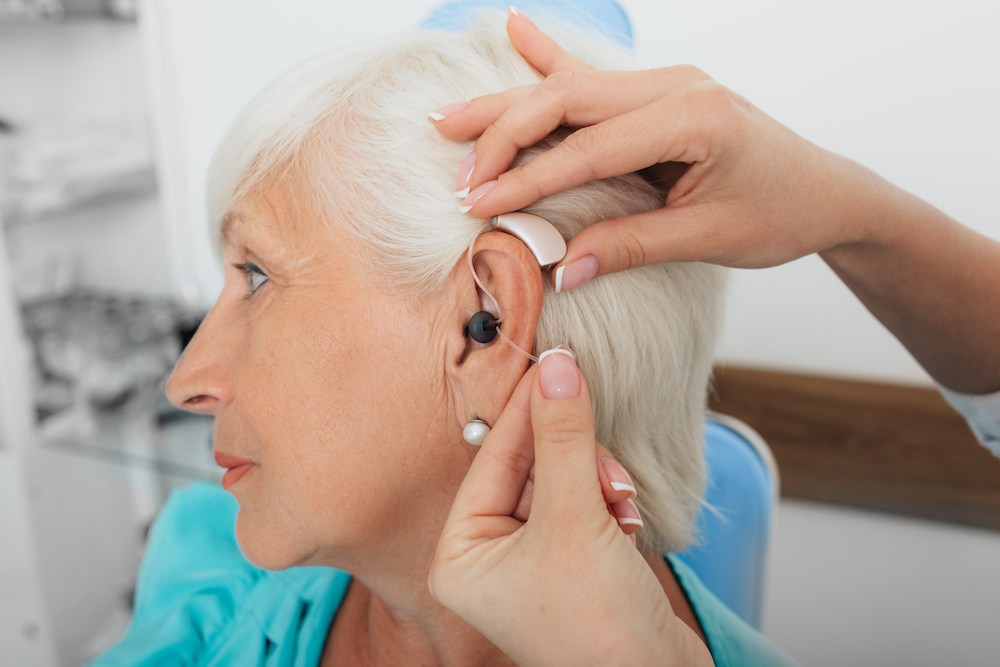
Each of those situations adds something that couldn’t be covered during a single fitting appointment. You may start forming preferences about volume, certain sounds or how your hearing aids respond in different places.

Bringing those details back to your audiologist is a normal part of the process. Fine-tuning takes what you’ve learned from wearing your hearing aids and uses it to adjust the settings for your routine.

What You Can Expect in the First Weeks with New Hearing Aids

During the first few weeks, you’ll spend a lot of time getting used to sounds you haven’t heard this way before.

Your own voice may seem louder at first, and sounds like running water, footsteps or rustling paper may stand out more than you remember. Wearing your hearing aids throughout your regular routine also shows you how they sound in different places and around different people.

As the days pass, many of these sounds become more familiar, and you’ll have a better sense of what you like about the settings. You’ll also have specific experiences to share with your audiologist at your next visit.

Why Fine-Tuning After Your First Hearing Aid Fitting Is Important

Your hearing test gives your audiologist the measurements used to program your hearing aids at the first fitting. After you’ve worn them for a while, you’ll have your own reactions to the sound.

Certain voices may need a little more volume, or a particular pitch may seem stronger than you prefer. Your audiologist can change those parts of the programming while leaving settings you already like alone.

These adjustments bring your own listening preferences into the programming, along with the measurements from your hearing test.

Clear Signs Your Hearing Aids May Need an Adjustment

Not every adjustment is about making sounds louder or softer. How your hearing aids respond as sounds change throughout the day can also tell your audiologist where the programming needs work.

Keep track of things like:

    • The beginning or end of words seems to drop out during conversation.
    • Sudden sounds cause the volume to change more than you expect.
    • Speech seems slightly distorted even though it’s loud enough.
    • Your hearing aids take too long to adjust when you move between quiet and busy places.
    • Music sounds uneven, with certain instruments or pitches standing out too much.
    • Phone calls or streamed audio sound different from face-to-face conversations.
    • You keep choosing the same manual setting because the automatic setting doesn’t match your preference.

How a Simple Listening Diary Helps Track Problem Sounds

You can also record whether you changed the volume or switched programs while you were there. After several days, you may see that the same sound or setting keeps coming up in your notes.

Bringing those examples to your audiologist gives them specific situations to discuss with you when reviewing your hearing aid settings.

How to Work with an Audiologist at Follow-Up Visits

Follow-up visits give you time to talk with your audiologist about how your hearing aids have sounded since your fitting. Be specific about the situations you’ve experienced instead of saying the devices sound generally good or bad.

You might describe a voice that sounds too sharp, a program you rarely use or a volume setting you keep changing. Your audiologist can review the programming and decide which individual settings to adjust based on what you describe.

You can listen to those changes during the appointment and say whether the sound seems closer to what you prefer. This back-and-forth may continue over several visits as you spend more time wearing your hearing aids in different places.

When to Plan Another Checkup for Ongoing Fine Tuning

There isn’t one schedule that works for every person after the first few fitting visits. You may go several months without needing any programming changes, then find that something about your hearing or routine has changed.

A checkup also gives your audiologist time to test your devices and see whether their output still matches your current settings.

They can compare your hearing with earlier results when new testing is needed. How often you return will depend on your hearing, your devices and what you’ve experienced since your last visit.

Finding the Right Adjustment for You

Fine-tuning doesn’t have to end after one follow-up visit. As you get more familiar with your hearing aids, you’ll learn what sounds right to you and what you’d like changed.

Those preferences may also change as you spend more time with the devices. Your hearing aids can be adjusted again as those preferences develop.

You don’t need to settle on the final settings within the first few weeks. There’s time to talk about what you like and anything you’d prefer to hear differently.

Your audiologist can revisit the programming when you feel another adjustment would be needed. When that time comes, make an appointment and bring along a few examples of what you’ve been hearing.